

Why Deck Sheet Specification Matters More Than You Think
Honestly, deck sheets are one of those things that people often overlook until they’re knee-deep in a construction project and suddenly realize, “Wait, did we check the deck sheet specification?” It sounds fancy and technical, but at its core, it’s just about knowing what type of sheet you need for a roof or a floor, how thick it should be, and whether it can handle the weight and weather you throw at it. Think of it like buying a pair of shoes—you wouldn’t buy flimsy sandals for a mountain hike, right? The same logic applies here.
When you dive into deck sheet specifications, it’s all about understanding the thickness, material quality, and load-bearing capacity. There’s this fun thing I noticed when I first got into the building materials world—people love debating the “best” thickness online. Social media is full of construction forums where someone swears 0.75 mm is perfect, while another person says, “No way, you need 1.0 mm at least.” It’s kind of like debating the best coffee—everyone’s got an opinion, but context really matters.
Different Types of Deck Sheets and Why Specs Change
Not all deck sheets are created equal. You have steel, aluminum, and sometimes even composite ones, each with their quirks. Steel sheets are popular because they’re tough, hold up under heavy loads, and are fairly affordable. Aluminum is lighter, resists rust better, but costs more. The specification isn’t just about thickness—it also involves the type of metal, coating, and finish.
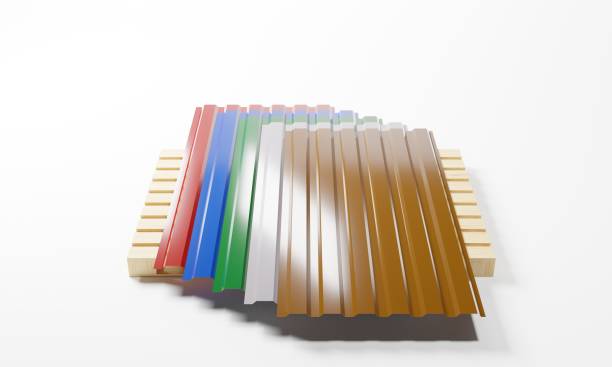
Here’s a little insider fact most people don’t talk about: the corrugation or rib pattern in a deck sheet isn’t just aesthetic. It actually increases the strength of the sheet without adding extra weight. It’s like how honeycomb structures work in nature—efficient, lightweight, and surprisingly strong. When you’re checking deck sheet specification, don’t ignore the shape of the ribs. It makes a huge difference in performance.
How to Pick the Right Deck Sheet Without Losing Your Mind
If you’ve ever shopped for construction material, you know how overwhelming it can be. Every supplier has their own jargon, every builder has a “secret formula,” and somehow social media is full of memes about people buying the wrong sheet and regretting it instantly. My first project, I’ll admit, I got caught in this exact trap—ended up with sheets that were way too thin for my roof, and let’s just say, a heavy rainstorm later, I was googling “emergency waterproofing hacks.”
So, the trick is simple: focus on your load requirements, weather exposure, and longevity expectations. Check out suppliers who break down their deck sheet specification clearly. It saves you from the headache of figuring out “what’s suitable” while standing on a hot tin roof sweating bullets.
Lesser-Known Tips That Can Save You Money and Trouble
Here’s something most casual buyers don’t realize—sometimes thicker isn’t always better. Overbuying can cost a lot, and underbuying can cause disasters. Also, certain coatings can dramatically improve the lifespan of your sheets without the need for super heavy materials. A friend of mine once spent way more on extra-thick sheets thinking they’d be invincible, but the supplier’s coating would’ve done the job just fine.
Online chatter is surprisingly helpful if you know where to look. Builders and DIY folks often share photos of failed projects and recommend specific deck sheet specification ranges. It’s like having a cheat sheet of “what works” and “what doesn’t” before you even make a purchase.
The Bottom Line on Deck Sheet Specification
At the end of the day, deck sheet specification isn’t just a random number. It’s about safety, efficiency, and making sure your roof or floor does its job without drama. And yes, it can be a little confusing at first, but once you understand the basics—material type, thickness, load capacity, and rib pattern—it all starts to click. Think of it like picking a car: engine size, safety features, fuel efficiency—they all matter, and ignoring one can bite you later.