

One of the most prevalent and expensive issues Indian households deal with is water damage. Waterproofing is now a need rather than a luxury because of the monsoon season’s intense rainfall and temperature fluctuations that lead to surface fissures. Moisture intrusion into walls, ceilings, and foundations without adequate waterproofing may result in mold development, peeling paint, structural damage, and health problems. Using the appropriate waterproofing solutions may ultimately save you time, money, and frustration, whether you’re constructing a new home or remodeling an existing one. These are the most important waterproofing options for any Indian property.
Roof and Terrace Waterproofing
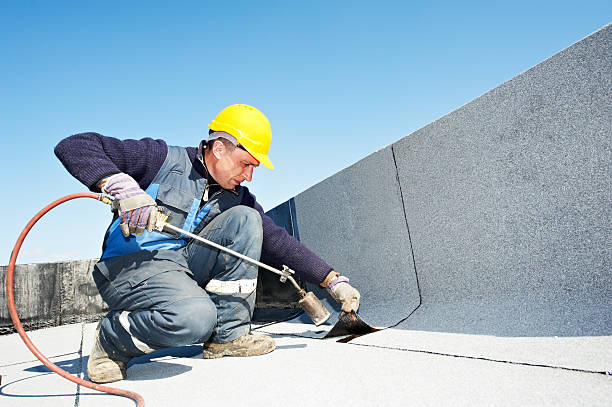
All year long, the terrace takes the brunt of the sun and rain since it is the most exposed area of a home. Terrace concrete surfaces eventually break, letting water leak through. Using an elastomeric coating or premium liquid waterproofing membrane is one of the best ways to solve the problem. These coatings provide a strong, flexible covering that is impervious to water and breaking. As an alternative, water stagnation may be avoided by placing waterproof tiles with the right slope and drainage. It may also be advantageous to apply an extra layer of protective bituminous membrane to older roofs.
Waterproofing Toilets and Bathrooms
Because of the continuous dampness, water spills, and inadequate drainage, bathrooms are constantly vulnerable to water leaks. Before installing tiles, bathrooms must be waterproofed by treating the floor and the lower parts of the walls. The tile bed is covered with an acrylic-based membrane or waterproof cementitious finish. To stop leaks, more caution has to be used around joints, drains, and fixtures. When numerous people use the bathroom in Indian homes, seepage into neighboring rooms may be avoided by effectively waterproofing the wet spaces.
Waterproofing of the Foundation and Basement
Basement water seepage is a major issue, particularly in places like Chennai, Kolkata, and Mumbai where groundwater levels are high. Water may seep in via foundation cracks, weakening the base and causing damage to the building. Applying exterior waterproofing membranes to the foundation walls during construction is the best method of basement protection. Internal wall coatings may provide an additional layer of protection, and injection grouting can be utilized to fix gaps in existing houses. Redirecting water away from the building is another benefit of drainage systems, such as French drains around the foundation.
Preventing Wall Dampness
Indian houses often have damp spots on the inside walls, particularly during and after the monsoon season. Capillary action, in which water rises from the foundation or seeps in from exterior walls, is often the source of this. Homes must be properly damp-proofed to combat this. Rising damp may be avoided during construction by using a damp-proof course (DPC) at the plinth level. External waterproof coatings or paints may prevent existing walls from collecting rainwater. To stop water from entering, crack sealants should also be applied to any apparent wall cracks.
Waterproofing of Water Tanks
In Indian homes, water tanks—whether subterranean or overhead—are essential. In addition to wasting water, leaks in water tanks run the danger of causing structural damage. Applying a food-safe waterproofing coating to the inside surfaces of water tanks is the process of waterproofing them. This coating has to be long-lasting, pressure-resistant, and non-toxic. Additionally, it’s critical to make sure that flexible, high-performance sealants are used to seal the seams between walls and floors.
Waterproofing of Window Sills and Balconies
Because of inadequate tiling or slope, balconies and window sills often experience water seepage during rainy seasons. Balconies must have a suitable slope to direct water outward and should be coated with a waterproofing membrane prior to tile installation. Water from the balcony of many Indian flats leaks into the rooms below, resulting in damage and arguments. To stop water from seeping in via the spaces between the window frame and the wall, window sills should be coated with silicone-based sealants and waterproof fillers.
Waterproofing of External Walls
Indian dwellings’ external walls are often exposed to heat, moisture, and precipitation; if left untreated, this may cause cracks and moisture buildup. A barrier against moisture is aided by waterproof wall coatings and external paints. Because these coatings are breathable, water cannot enter while stored moisture may exit. For optimal results, all surface cracks must be filled and prepared before to application. Because of the increased humidity and exposure to salt, more protection is required in coastal locations.
Waterproofing of Extension Joints
Expansion joints are included into large buildings and structures to accommodate movement brought on by temperature changes. These connections are susceptible to water leaks, however. Specialized expansion joint sealants or water bars should be used to seal these joints in Indian housing complexes or commercial structures. If they are neglected, water may seep through the ceilings and damage many levels.
Crack Repair and Upkeep
Because of thermal movement and settlement, tiny fractures start to show up in walls, ceilings, and roofs over time. These fractures enlarge and let water in if they are not repaired. Maintaining the effectiveness of waterproofing requires regular examination and prompt sealing of these fissures using PU sealants or crack fillers. Before the monsoon season starts, homeowners should check susceptible areas and address any obvious problems.
In conclusion
An investment in your home’s lifespan and well-being is waterproofing. Selecting the best waterproofing system for your home’s requirements is crucial in a place like India where regional weather variations are significant. Every space, from the cellar to the rooftop, needs care and security. Using high-quality materials and seeking advice from a waterproofing specialist may help you protect your home against water damage for many years to come, whether you’re building a new home or remodeling an existing one.