
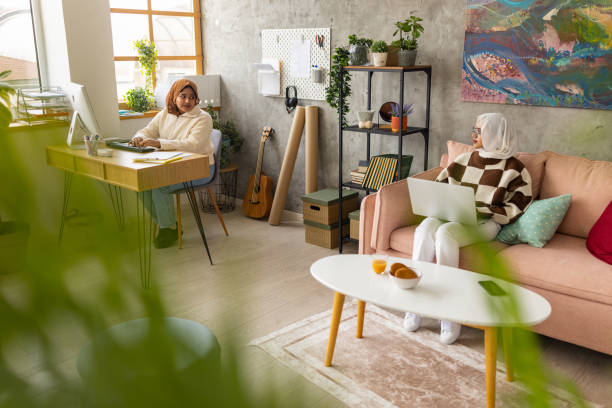

Indian houses are changing quickly, fusing sustainability, comfort, and modernity with heritage. By 2025, interior design will have evolved beyond aesthetics to include health, usefulness, and the creation of individual havens that are true to ourselves. This year’s interior design ideas for Indian houses emphasize creating places that are both aesthetically pleasing and functional, from eco-friendly materials to cleverer layouts. The top ten trends for 2025 are listed below.
1. Eco-friendly and sustainable design
Nowadays, a key component of house design is sustainability. Eco-friendly materials including bamboo, reclaimed wood, terracotta tiles, and organic textiles are popular among homeowners in 2025. Energy-efficient appliances, solar lighting, low-VOC coatings, and natural ventilation techniques are becoming more popular. In addition to reducing waste, interior designers are promoting the use of repurposed furniture and décor to give a room personality and history.
2. Earthy Color Schemes
Nature-inspired hues are popular for décor, furniture, and walls. The more striking hues of past years are giving way to subdued browns, sand beige, dusky rose, warm terracotta, and olive green. Indian houses, particularly those in metropolitan areas, benefit from these soothing tones. Additionally, accent walls with organic finishes, such as textured plaster or exposed brick, are growing in popularity.
3. Furniture with Multiple Uses
The popularity of hybrid lifestyles, in which individuals work, relax, and have guests at home, has made space management a top concern. Expandable dining tables, storage ottomans, and sofa-cum-beds are examples of multipurpose furniture that is highly sought after. Making the most of small city flats is made easier with foldable work desks and concealed storage options, particularly in major cities like Bengaluru, Delhi, and Mumbai.
4. Conventional Indian Elements in Contemporary Designs
One of the most distinctive themes of 2025 is the blending of modern and traditional design. Modern environments are incorporating Indian themes, block prints, carved wooden panels, brass fittings, and jharokhas. To create a cozy but modern atmosphere, a minimalist living room may include antique brass lighting or a coffee table with Rajasthani carvings. Without sacrificing their traditional significance, temple corners and puja areas are being redesigned to meet modern styles.
5. Features of Biophilic Design
Stressing a connection to nature, biophilic design is becoming more than just a fad; it’s becoming essential. In 2025 houses, natural light, indoor plants, vertical gardens, and interior water elements will all be important. Low-maintenance choices like succulents and snake plants, as well as hanging planters and bonsai trees, are bringing freshness to interior spaces and enhancing indoor air quality.
6. Integration with Smart Homes
Home design is still influenced by technology. By 2025, smart homes will include app-controlled appliances, voice-activated lighting, AI-powered security systems, and smart thermostats. Smart kitchens that automate lighting, cooking, and energy management are becoming more and more popular in Indian households. These developments are being accommodated in modular kitchen units, which maintain an aesthetically pleasing and user-friendly layout.
7. Airy and Open Designs
The days of small spaces and claustrophobic architecture are gone. The kitchen, dining room, and living room all flow into one another in an open-concept design, which is now quite popular. This encourages social contact in addition to creating a feeling of spaciousness. In order to preserve openness while guaranteeing privacy and usefulness, Indian houses are embracing this style by using sliding doors, glass dividers, and light-colored furnishings.
8. Bold Walls and Ceilings
Walls and ceilings are not an afterthought in 2025. Designers are concentrating on creating drama above and around, from striking wallpaper and 3D wall textures to wooden paneling on ceilings. Traditional mural painting, mandala patterns, and even gold leafing are returning in contemporary fashions to Indian houses. These elements are successfully emphasized by the use of accent lighting, such as pendant and cove lights.
9. Handcrafted décor and local artwork
This year, there is a lot of interest in celebrating India’s rich artisan and regional art traditions. The focus is shifting to embroidered textiles, Madhubani and Pattachitra paintings, handcrafted ceramics, and cane furniture. Using handcrafted goods and supporting artists not only promotes local economies but also provides warmth and authenticity. Mass-produced décor pieces are losing ground to custom-made ones.
10. Spaces that are Minimalist and Mindful
Indian households in 2025 are adopting minimalism as a way of life as well as a design aesthetic. Clean lines, uncluttered layouts, and deliberate design decisions are examples of the “less is more” philosophy in action. Particularly suited to the fast-paced lifestyle of Indian cities, minimalist home design promotes mental tranquility. This design is characterized by open shelves, neutral color schemes, and sparse yet striking décor.
In conclusion
In 2025, Indian interior design is all about finding balance between luxury and nature, technology and heritage, and style and utility. Using these patterns can help you build a house that seems contemporary but yet has roots in Indian sensibility, whether you’re planning a complete makeover or just want to update your area. In the future of interior design, creating environments that really feel like home is more important than just adhering to trends.