

Overview
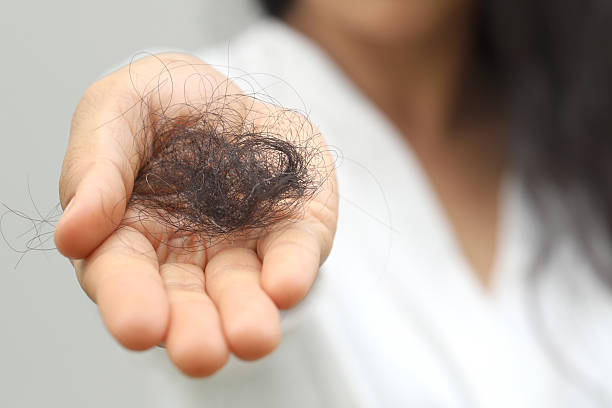
Hair loss is one of the most common problems that both men and women face, although the causes are often different. Even while some hair loss happens every day, excessive thinning or shedding can affect one’s appearance and sense of self. Knowing why men and women suffer hair loss differently is the first step toward prevention and improved care.
Genetic-related factors
One of the primary causes of male hair loss is genetics. Male pattern baldness, which is influenced by hormones and family history, is characterized by a receding hairline and crown thinning. In women, genetics may also be involved, even though thinning is frequently more widespread over the scalp as opposed to producing bald patches.
Hormonal Variations
Hormones are a major factor in the disparities in hair loss between the sexes. A hormone called dihydrotestosterone, or DHT, causes male hair follicles to progressively deteriorate. On the other hand, women may have hair loss due to hormonal changes brought on by pregnancy, childbirth, or menopause. By disrupting the hair’s normal development cycle, these alterations may result in either temporary or permanent hair loss.
Factors related to lifestyle and stress
Stress, poor food, and lifestyle choices can affect both men and women, however the results may be different. Males commonly experience hair loss that is made worse by smoking or high amounts of stress, whereas women may notice hair loss after extreme dieting, illness, or mental stress. Because hair is so sensitive to overall health, these lifestyle factors often influence the degree of hair loss.
Health Concerns
Underlying medical conditions may potentially be the cause of hair loss. Men may suffer from issues like shedding or scalp infections brought on by specific medications. However, conditions including iron deficiency, thyroid problems, and polycystic ovary syndrome (PCOS) increase the likelihood of noticeable hair loss in women.
Hair Care Techniques
Daily grooming and hair routines may make a difference. Tight hairstyles, prolonged heat styling, or frequent use of chemical treatments can all cause hair loss in women. Although men are often less harmed by fashion, problems might occur if proper scalp hygiene is disregarded. This illustrates how men and women experience hair loss differently depending on their lifestyle choices.
Effect on Feelings
Hair loss affects both men and women, however the emotional toll may be different. Men may accept baldness as natural, yet it can still affect how one feels about themselves. However, because women often associate hair with identity and beauty, hair loss is more emotionally distressing for them. The psychological component of hair loss is equally important as its physical causes.
To sum up
Men and women can both experience hair loss, but the causes differ. Genetics, hormones, health conditions, and lifestyle choices all have different affects depending on the gender. If men and women are aware of these differences, they can take more effective preventive and rehabilitative actions. Awareness is the key to managing hair loss and maintaining long-lasting, strong, healthy hair.