

Introduction
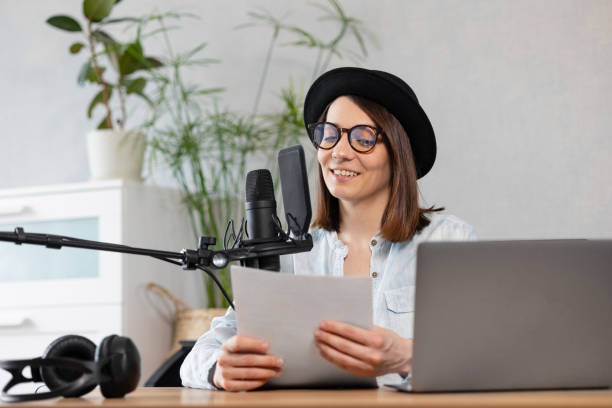
Honestly, the first time I tried an online vocal lesson, I was sitting in my room wearing a T-shirt that definitely wasn’t class-ready, and that alone made me feel weirdly confident. There’s something about singing when nobody’s staring directly at you—no judgmental eyes, no awkward microphone sharing, no can you sing that line again but with more emotion?. Online vocal training just gives you this safe bubble where you can mess up horribly… and nobody has to know. Plus, you can replay the lessons a hundred times, which is kind of like having a super patient teacher who doesn’t roll their eyes when you still can’t hit that high note.
Flexibility Is the Biggest Unsung Advantage (pun intended)
If traditional singing classes are like fixed gym sessions, online vocal training feels more like carrying a tiny coach in your pocket. You can practice during lunch breaks, or at midnight when your neighbors are hopefully asleep—though trust me, someone will definitely wake up if you start belting like Arijit Singh at 1 AM. With online lessons, you’re not stuck traveling across the city or waiting for your turn. It’s more learn when you feel like it, which honestly suits people like me who don’t always follow schedules like responsible adults.
Social Media Has Made Vocal Training Feel Less Intimidating
If you scroll through Instagram Reels or YouTube Shorts long enough, you’ll find at least one singer posting their before and after 30 days of online practice videos. And surprisingly, some people actually improve a lot. It creates this fun energy—like a giant virtual singing club where everyone is learning, failing, laughing, and flexing their progress together. The comments are also hilarious sometimes. One person said, Online vocal training taught me breath control, my ex taught me emotional control. Honestly, both seem useful.
Small Technique Tweaks Can Make You Feel Like a Pro
Something I didn’t expect from online vocal training is how small tricks can instantly change your voice. Like the straw phonation exercise—basically singing through a straw. It sounds silly, but it forces your breath and pitch to align in a clean way. Or that lip trill thing (you know, the brrrr sound) that looks ridiculous but warms up your vocal cords faster than most fancy techniques. When these tiny hacks start working, you get this mini OMG I actually sound good! moment, which feels great.
It’s Not Just Lessons—It’s Feedback, Community & Motivation
A lot of online vocal programs now include feedback sessions where you send recordings and get personalized pointers. I once sent a clip thinking I sounded like a Bollywood playback singer. The coach replied, Good attempt—try loosening your jaw. Basically a polite way of saying stop sounding so stiff. But it helped. Plus, many platforms have fun challenges—like 7-day range improvement tasks or breath control streaks—that keep you coming back. You don’t feel like you’re doing it alone.
The Biggest Surprise: You Actually Track Your Progress Better Online
When you learn offline, it’s easy to forget how far you’ve come. But online vocal training almost forces you to record yourself, compare your old audios, and cringe at your past self—then feel proud of how much better you sound now. Those little voice notes become your personal growth diary. It’s like watching your own transformation video… except you’re the editor, the judge, and the cheerleader.
Conclusion
If you’ve ever wanted to sing but felt shy or unsure, online vocal training actually makes the whole journey feel lighter. More private. More flexible. And honestly more fun. You learn at your own rhythm, you experiment without fear, and somewhere along the way, your voice starts sounding like it belongs to someone who really knows what they’re doing.